
Alcohol Use, Abuse, and Depression: Is There a Connection?
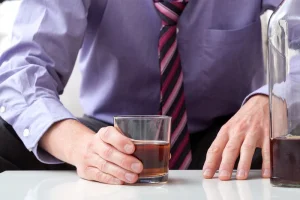
Long-term alcohol use also raises the alcohol rehab risk of serious heart conditions like stroke and heart disease. Binge drinking is one such behaviour, with many Australians consuming large quantities of alcohol in short periods. This can take a toll not only on physical health but also on emotional wellbeing.

Digestive health

Having an extra drink or two once in a while doesn’t automatically translate to heavy drinking. You might feel a little unwell physically, but as long as the room doesn’t spin when you stand up, try to get outside for a short walk — or a longer one, if you can manage it. It often feels very tempting (and easy) to keep drinking until you feel better, especially when you have less access than usual to more helpful coping methods. If you already feel a little low, giving yourself a hard time for overdoing the alcohol probably won’t improve matters.
The harmful cycle between alcohol and mental health issues
« Protein is necessary to produce serotonin, GABA, and other neurotransmitters. When protein intake is low, our production slows, » she shares. Recognizing the signs of does alcohol make depression worse alcohol-related depression is the first step toward breaking free. With the right treatment options, including alcohol treatment and depression treatment, you can regain control of your life. Both alcohol use disorder and depression must be treated at the same time. Until then, it can be difficult to break free from this cycle.
- There are other “drivers of depression” that could be affecting the body’s organ systems, added de Groot.
- Recovering from co-occurring mental disorders presents challenges, but it is possible with a comprehensive treatment approach that addresses both the physical and psychological aspects of addiction.
- It also lowers inhibitions, so if you’ve been trying to keep some difficult emotions, like sadness or anger, under wraps, they may come flooding in when you drink.
- Whether you or your loved ones have these red flags, it is vital to get professional help.
Get Professional Help
- “This dichotomy does not reflect people’s own lived experience, and doctors and other healthcare professionals need to get better at considering people’s problems more holistically,” he said.
- But if you turn to alcohol to get you through the day, or if it causes trouble in your relationships, at work, in your social life, or with how you think and feel, you may have a more serious problem.
- You don’t have to battle the depression alone and relying on alcohol to make you feel better will only cause further pain.
- Alcohol is classified as a depressant because of its effects on the central nervous system—not because it necessarily makes people feel sad or depressed in the short term.
Conversely, individuals with heavy alcohol use (both during intoxication and withdrawal) have a higher likelihood of developing personality disorders. In fact, alcohol abuse induces and exacerbates the symptoms of such disorders, making them more difficult to manage or respond to treatment. Drinking alcohol is a common social activity, but it’s important to do it in moderation to protect your physical and emotional health.

- Individuals diagnosed with clinical depression should be extremely cautious when it comes to using substances such as alcohol.
- Long term, poor sleep quality can lead to sleep deprivation, which has a significant impact on mental health, increasing the likelihood of both depression and anxiety.
- Caffeine, especially when consumed in excess, can also contribute to anxious or depressive feelings.
- Additionally, people with mood and stress disorders can develop maladaptive alcohol use as a way to self-medicate and cope with their symptoms.
- For people with depression or anxiety, alcohol can heighten feelings such as sadness, hopelessness, and nervousness over time.
For other, including those who might have begun drinking to manage depression, it can take months or longer to improve. Your loved one may need treatment for depression in addition to treatment for alcohol use disorder. If possible, help them find a treatment program that includes counseling. This may make it easier for them to get care for their underlying depression. Heavy and long-term drinking can put significant strain on the body, leading to an increase in the stress hormone cortisol. Because of its role in our “fight-or-flight” response, increased levels of cortisol can cause feelings of chronic stress.

However, researchers have established a connection between alcohol and depression. People with depression tend to have higher levels of cortisol in their bloodstream to begin with. Excessive alcohol consumption can exacerbate this, causing feelings of depression to become worse.
Alcohol and Depression: How They’re Linked
This multi-test approach will help them rule out other conditions that might account for your symptoms. There are signs that depression and alcohol dependency may be impacting your or a loved one’s health and well-being, Anand says. One is inflammation, which has been linked to a wide range of conditions, including depression, diabetes, and cardiovascular disease, she said. Natural daylight, especially morning sunlight, boosts our production of cortisol and serotonin, which are key in regulating our sleep-wake cycle. The research also looked at the concept of social jet lag as an explanation of poor sleep quality. Caffeine, especially when consumed in excess, can also contribute to anxious or depressive feelings.